Introduction
Aluminum frames, or 鋁架, are widely used in modern architecture due to their strength, versatility, and aesthetic appeal. Understanding the manufacturing process sheds light on how these frames achieve durability, precision, and consistency, ensuring superior quality for residential, commercial, and industrial applications.
Raw Material Preparation
Aluminum production begins with extracting bauxite ore, which is refined into pure aluminum through electrolysis. For frame manufacturing, high-quality aluminum alloys are selected for their strength, corrosion resistance, and malleability.
Extrusion Process
Extrusion is the key manufacturing step for aluminum frames. Heated aluminum billets are forced through a die to create specific cross-sectional profiles. This process allows for precise dimensions, uniform thickness, and custom shapes, forming the foundation of modern 鋁架 designs.
Cutting and Machining
After extrusion, aluminum profiles are cut to required lengths using high-precision saws. Additional machining processes, such as drilling, notching, or milling, prepare the profiles for assembly. This ensures the frames fit perfectly for doors, windows, or partitions.
Surface Finishing
Aluminum frames undergo surface treatments to improve aesthetics, durability, and corrosion resistance. Common finishes include:
- Anodizing for enhanced corrosion protection
- Powder coating for a wide range of colors
- Polishing for reflective or brushed surfaces
These finishing processes protect the 鋁架 and allow them to match design requirements.
Assembly and Quality Control
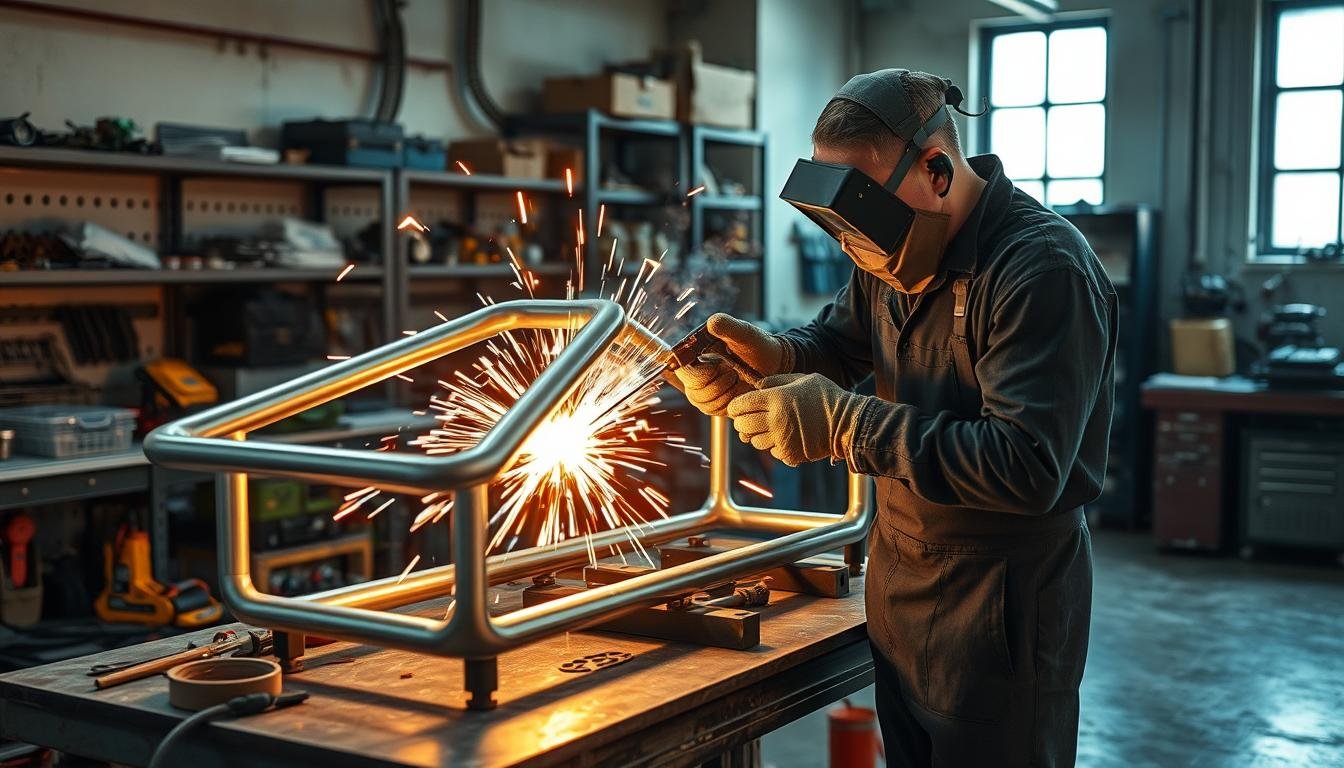
Profiles are assembled using screws, brackets, or welding methods depending on design specifications. Quality control checks include verifying dimensions, alignment, and structural strength. Rigorous testing ensures the frames meet industry standards for safety and performance.
Packaging and Distribution
Completed aluminum frames are carefully packaged to prevent damage during transport. They are then shipped to construction sites, ready for installation in residential, commercial, or industrial projects.
Conclusion
The manufacturing process of aluminum frames involves precise material selection, extrusion, machining, finishing, and quality control. Each step ensures durability, strength, and aesthetic appeal. Modern 鋁架 systems owe their performance and versatility to this meticulous process, making them a top choice for contemporary architecture.